Welcome—Some Ground to Stand on
A brief introduction

I am not here to just sell or show my work as a finished product. This space will focus more on what I work with, both physically and conceptually.
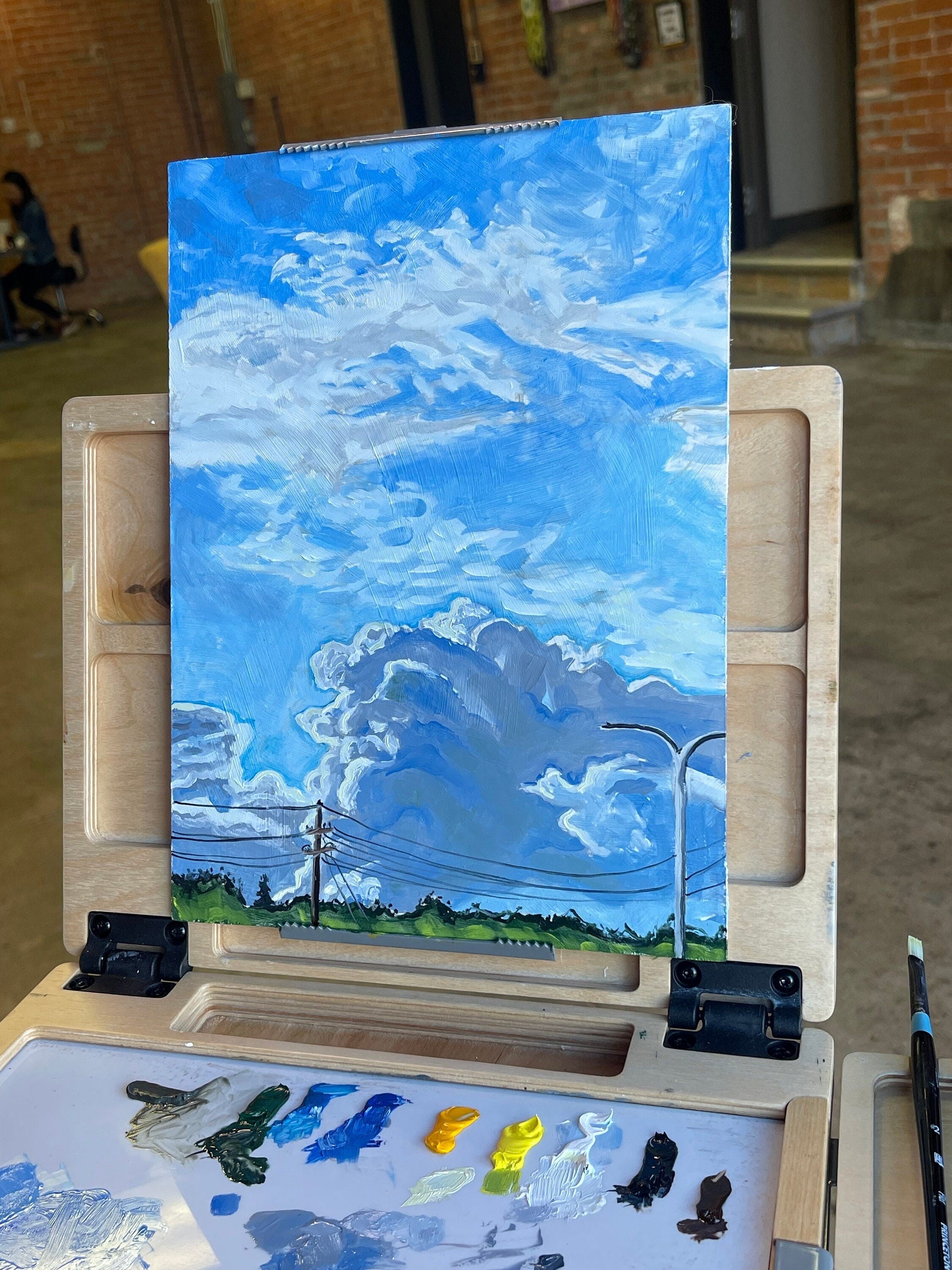
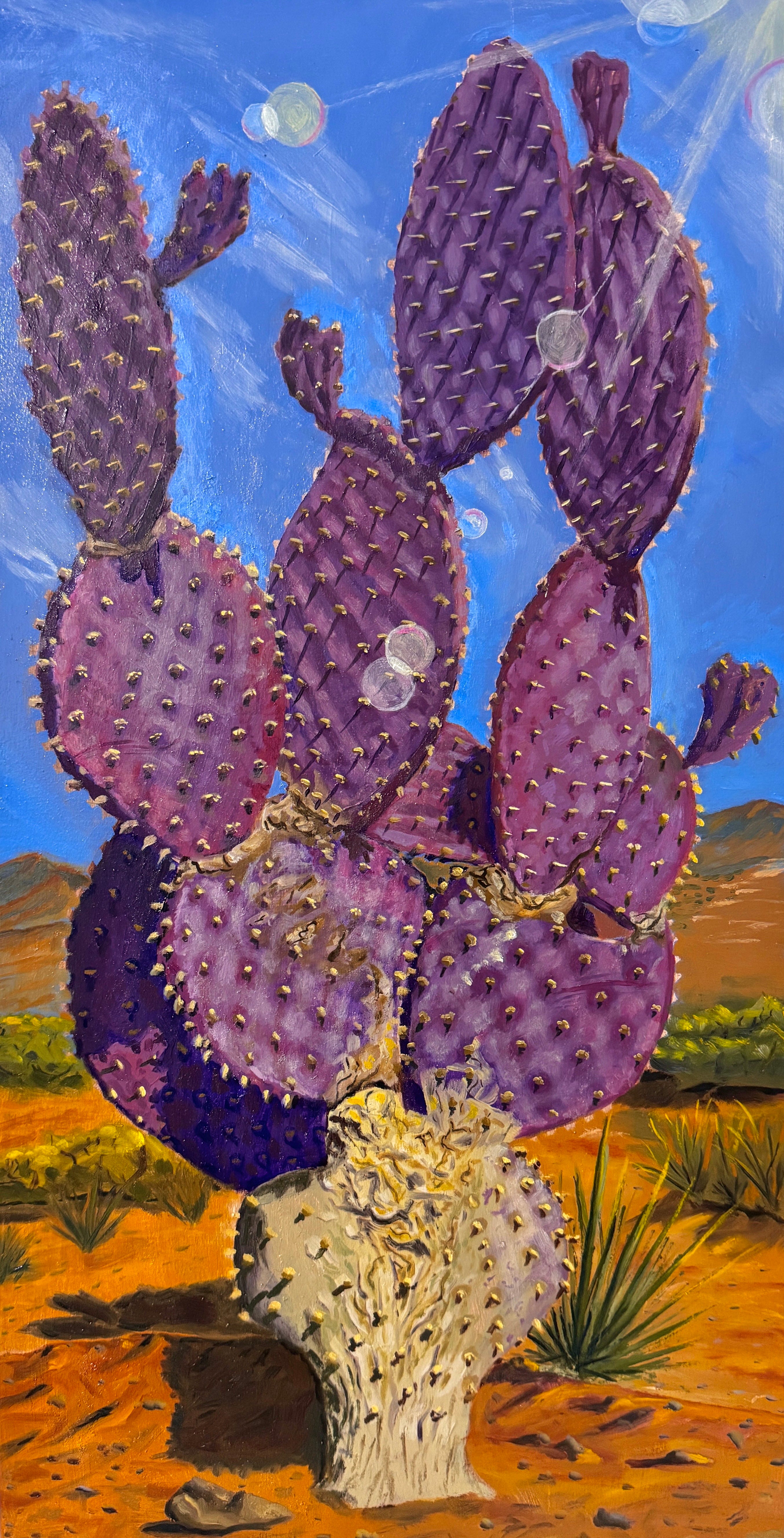
I paint in oil, watercolor, make paper and I teach drop-in arts programming for military affiliated youth grades 6-12. Eventually, I hope to build a career in illustration and visual development at a professional level. Right now I’m working towards a fine arts education at Georgia Southern. My sights are set on transferring to SCAD (Savannah College of Art and Design). Most days I’m also elbow-deep in something more esoteric: growing corn and agave in a rural patch of Georgia. Not to eat or admire. To beat into pulp and press into paper.
That last part might seem like a detour from “real” studio practice. It isn’t. It’s the center of it.
Material as inheritance, not just substrate
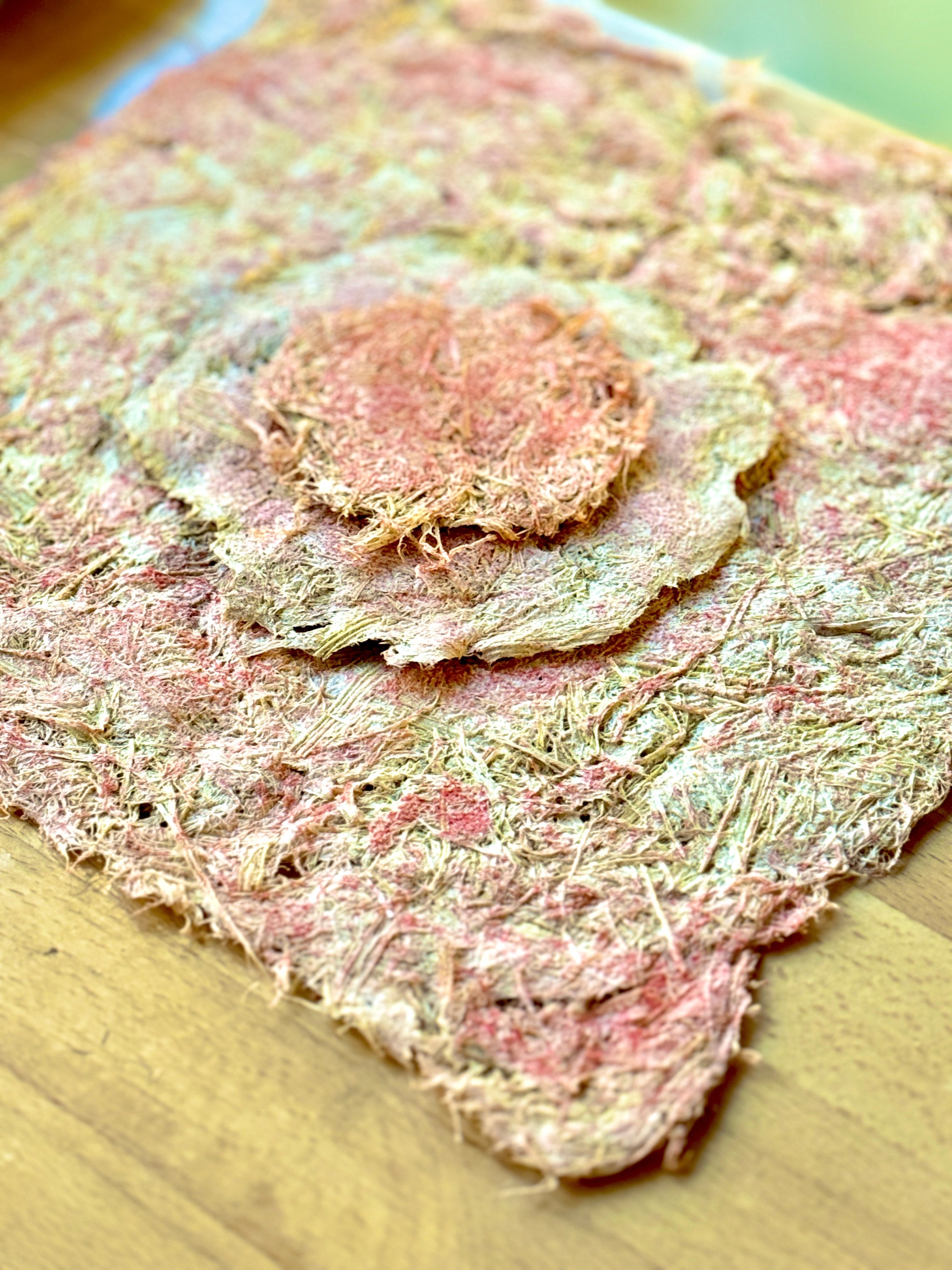
Somewhere along the way, two questions that used to feel unrelated collapsed into one: what do I want to say, and what am I saying it on. A painting isn’t just an image sitting on top of a surface. The surface is already saying something before a single mark touches it. Canvas says one thing. Handmade paper made from indigenous plants — using long-fiber beating techniques and natural sizing agents like nopal mucilage — says something else entirely. Something about labor, about place, about which hands and which traditions are taught to another generation of stewards.
I come from Pueblo and Nahua lineage, and that isn’t just background information for me. It shows up directly in the materials I choose and the way I think about process. Right now, that’s showing up most clearly in a research project exploring corn and agave fiber as painting substrates. I’m working through amate-adjacent papermaking methods and Western mould-and-deckle techniques side by side, rather than treating one as “the real craft” and the other as a comparison point. I’m also looking at river cane as a fiber source available right where I live — its own kind of continuity, using what the land in front of me actually offers instead of only what tradition hands me pre-sourced.
Craft before concept
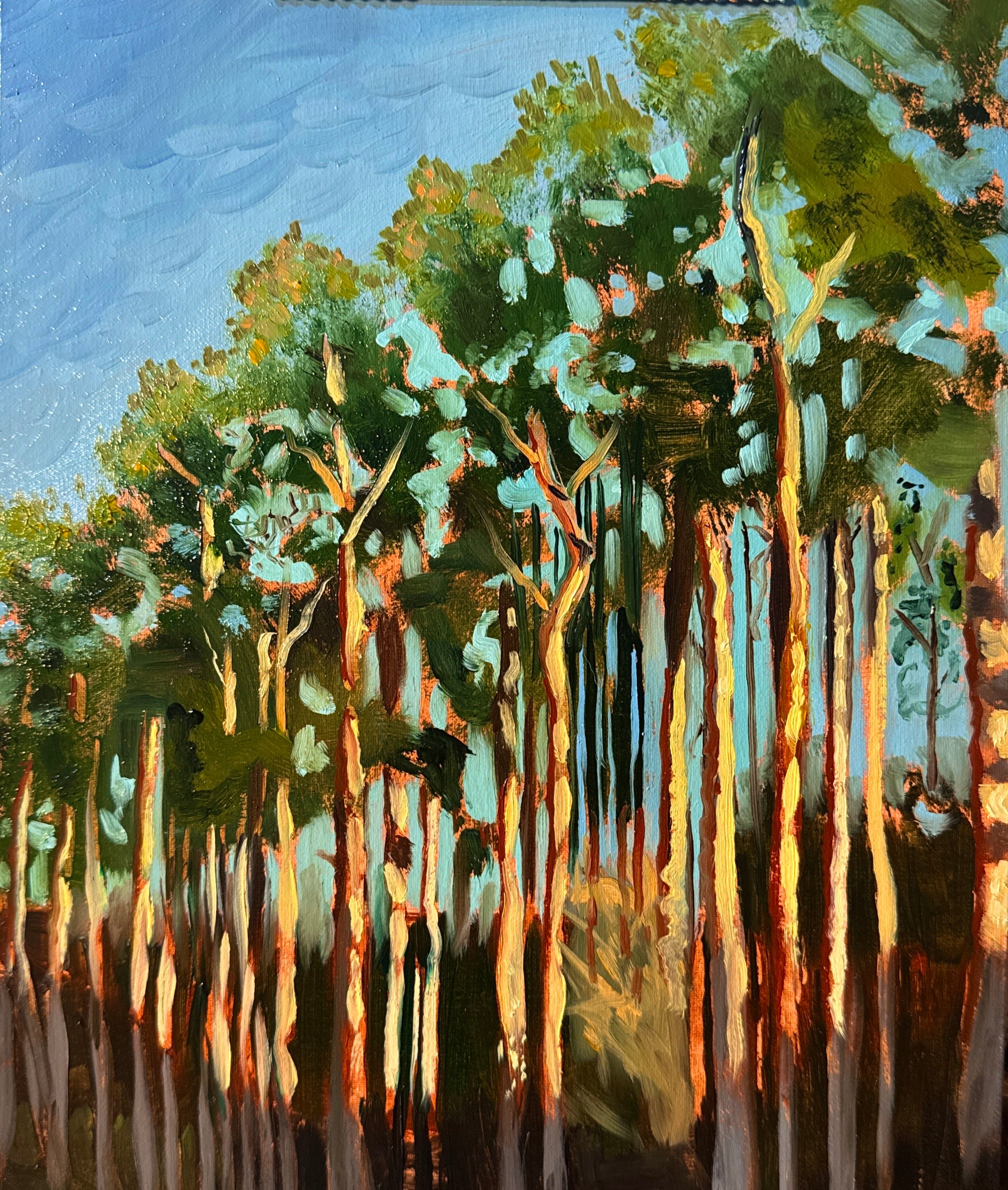
My portfolio philosophy, if I had to claim one, is pretty standard but important: strong observational foundations first. Still life. Working from life. Understanding how light and form behave across different mediums. That has to come before the imaginative, invented, conceptual work means anything. I don’t think you get to skip the looking. Illustration and visual development — the direction I’m ultimately headed — only gets interesting once observation has given you something true to distort, exaggerate, or reimagine. Invention without observation is just guessing.
I apply this to how I teach as much as how I paint. Watching a teenager figure out, for the first time, that a shadow has a color, or that fabric folds according to rules you can actually learn to see — that’s not separate from my own studio practice. It’s the same commitment to looking closely, just pointed at someone else’s eyes instead of my own hands.
What this space is for
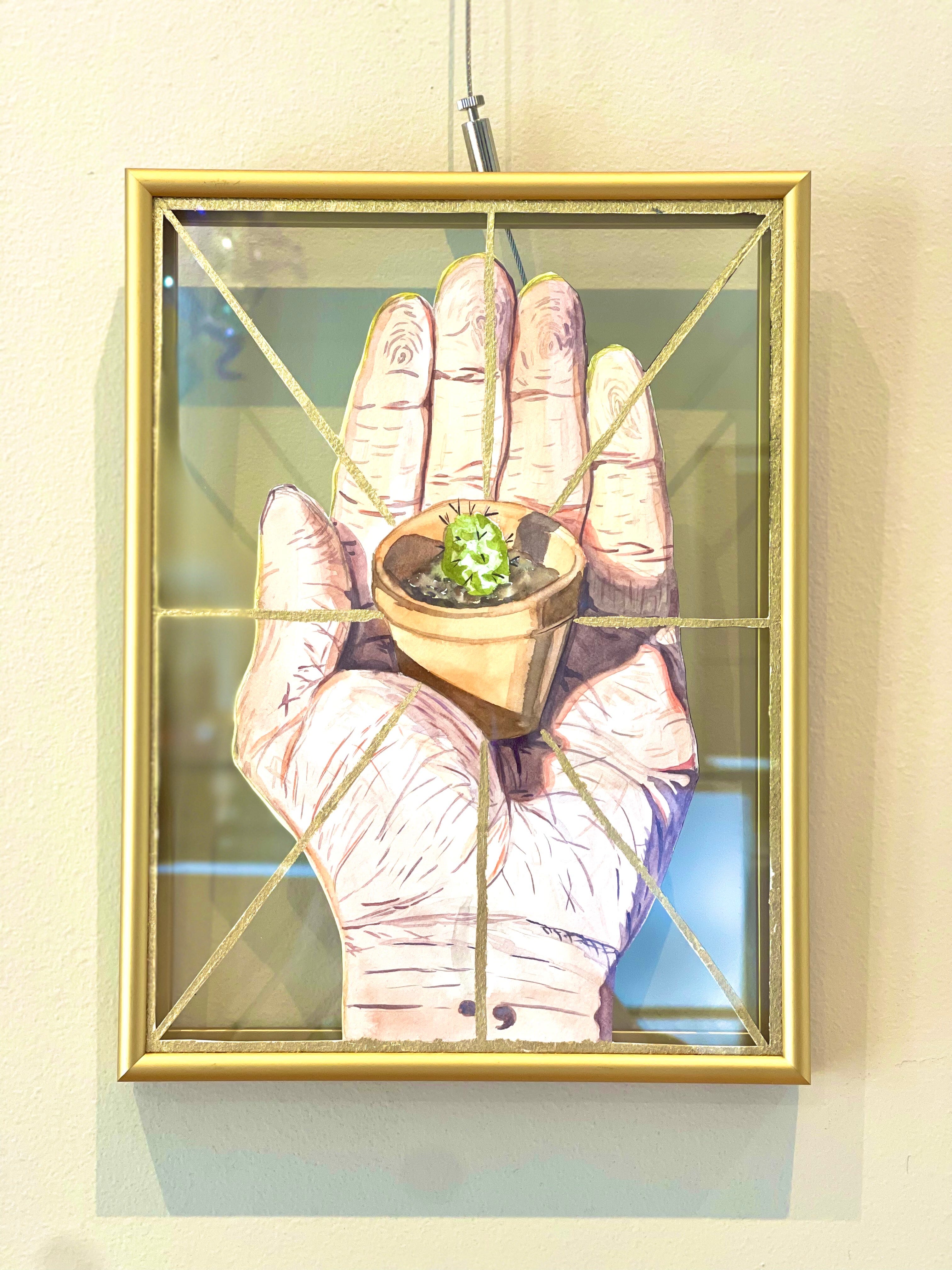
I have never claimed to be a writer, or used writing in tandem with my visual work, but I have craved an outlet for meaningful dialogue for quite some time. I don’t want to work hard on a video and feel like when I post it gets tossed into the void, or keep up with sound trends to make my work relevant on social media. I want a slow and steady space to think and reflect with one another.
This is where I’ll document all of it, without much separation: the material research (fiber processing, sizing experiments, what worked and what turned to mush), the studio paintings, what I’m teaching, and a slower, more personal thread — questions of heritage, identity, and what it means to make a mark that’s actually mine (or yours) rather than borrowed. I recently designed a personal artist’s mark built from my own cultural lineage: a sweetgrass braid symbolizing harmony with nature, arrows for spiritual and cultural continuity, and the etched lines used to beat pulp with a mano (volcanic stone tool used to make traditional Mesoamerican bark paper) folded right into the form of a pueblo agave symbol. Even this process taught me more about what I’m doing here than most of my finished paintings have.
I don’t have this all figured out yet. Between full time school, work, writing essays and lesson plans it’s a miracle I have any creative practice. So why am I doing this? Well it’s sort of the point: sharing the messy unfiltered process of making art here in public, rather than waiting until it’s resolved. If I were to wait for the perfect moment to start and post my perfectly idealized work, I never will.
So thanks for being here for it, and I hope you start something soon too.